October 28, 2026
Efficiency is essential in welding, whether a project involves repairing equipment, fabricating metal components, or assembling large structural frameworks. Completing work on schedule while maintaining consistent quality requires more than technical skill. Welders also need dependable equipment, suitable materials, and safety gear that support their workflow. Choosing the right welding supplies can make a noticeable difference in how quickly and accurately a job gets done.
For beginners, investing in reliable tools establishes good habits and makes learning easier. For experienced professionals, upgrading equipment can reduce downtime, improve precision, and help manage demanding workloads. Even seemingly small decisions, such as selecting the correct welding wire or replacing a worn contact tip, can affect the outcome of an entire project.
According to Welding Career Now, more than 50% of all man-made products were created through welding. This statistic highlights the importance of welding across modern manufacturing and industry. With so many products depending on strong, reliable metal joints, selecting appropriate equipment and materials is an important part of producing consistent results. Understanding which supplies to use, how they contribute to safety, and where to find dependable products can help welders work more efficiently without compromising quality.
What Are Essential Welding Supplies for Beginners?
Getting started in welding requires a basic collection of tools and materials that match the intended application. Before purchasing equipment, beginners should identify the type of welding they plan to perform. Shielded metal arc welding (SMAW), gas metal arc welding (GMAW), and gas tungsten arc welding (GTAW) each require different equipment and consumables. Choosing supplies based on the process, material, and project requirements prevents unnecessary purchases and helps new welders develop their skills.
A suitable welding machine is the foundation of most setups. Beginners may choose a stick, MIG, or TIG welder depending on their budget, available workspace, and the materials they expect to join. A machine with adjustable settings and straightforward controls can make it easier to learn how voltage, amperage, and travel speed influence weld quality. However, the machine's capabilities must match the thickness and type of metal involved.
Consumables are equally important. Welding electrodes, filler wire, shielding gas, and contact tips must be compatible with the selected process and base material. Using the correct consumables helps maintain a stable arc and produces more consistent results. Other useful welding supplies include wire brushes, chipping hammers, clamps, pliers, and measuring tools. These accessories help prepare surfaces, secure workpieces, and clean finished welds.
How Can Advanced Welding Equipment Increase Productivity?
As welding projects become more complex, advanced equipment can help professionals complete work more efficiently. Modern welding machines often offer features such as digital controls, preset programs, adjustable pulse settings, and memory functions. These capabilities allow operators to establish repeatable parameters for particular applications rather than repeatedly adjusting settings by trial and error.
For example, a machine with saved programs can reduce setup time when a shop regularly handles similar materials and joint configurations. Pulse welding can also help manage heat input in suitable applications, potentially reducing distortion and improving control. When operators understand how to use these features, advanced welding supplies can contribute to greater consistency across multiple workpieces.
Automation offers additional productivity benefits in appropriate environments. Mechanized welding systems and robotic equipment can perform repetitive welds at consistent speeds, making them useful in high-volume manufacturing. These systems may reduce operator fatigue and improve repeatability, but they require proper programming, maintenance, and quality checks. Automation is not necessarily practical for every workshop, especially when projects involve unusual geometries or frequent changes.
Productivity also depends on the condition of everyday equipment. Replacing worn liners, maintaining clean connections, checking gas delivery, and keeping torches in good working order can prevent interruptions. A machine with sophisticated features will not perform effectively if its supporting components are neglected.
What Safety Gear Is Necessary for Welding?
Safety is a fundamental part of efficient welding. Injuries, equipment damage, and preventable accidents can interrupt projects, increase costs, and put workers at risk. Appropriate protective equipment helps welders maintain a safer working environment while allowing them to concentrate on the task at hand.
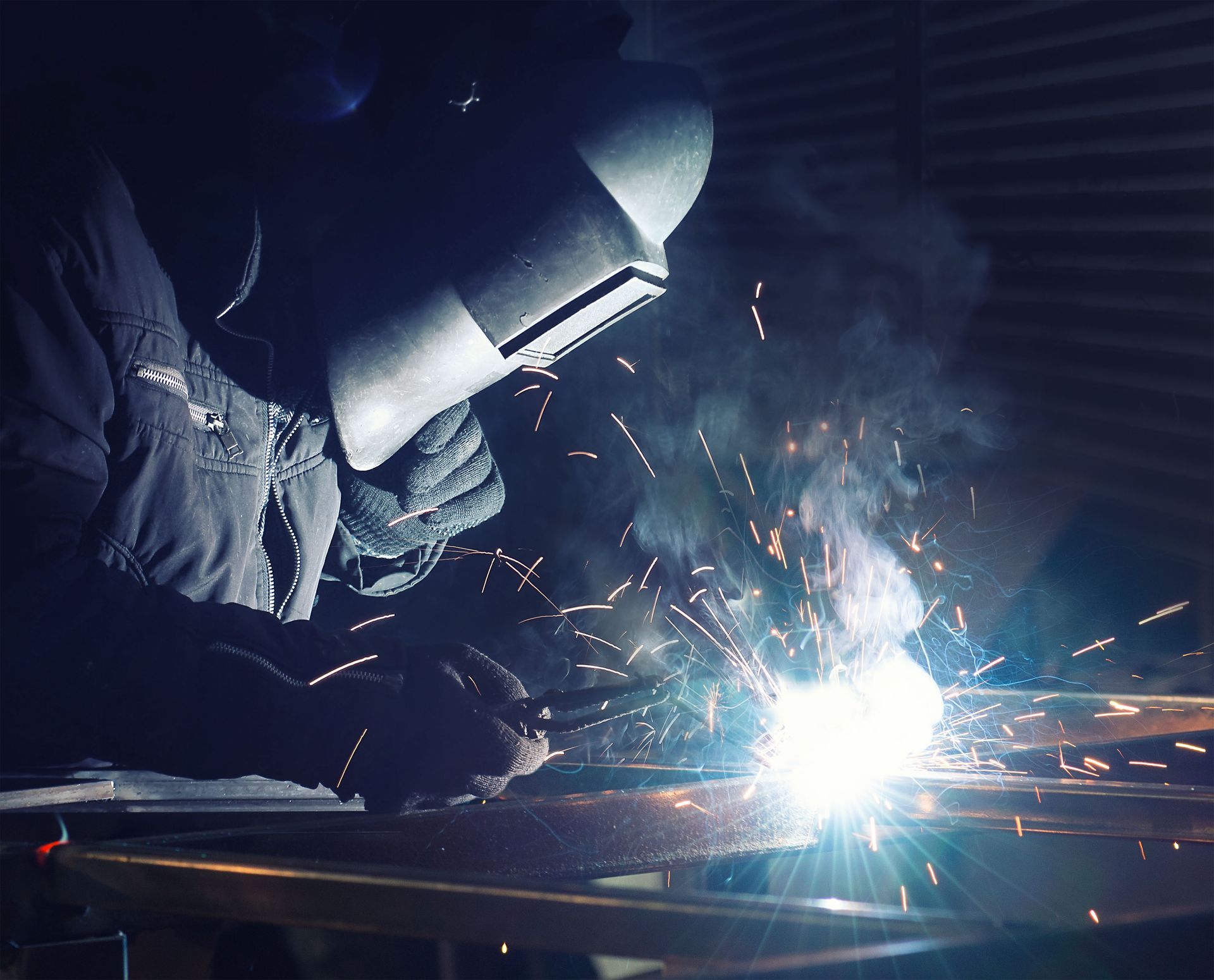
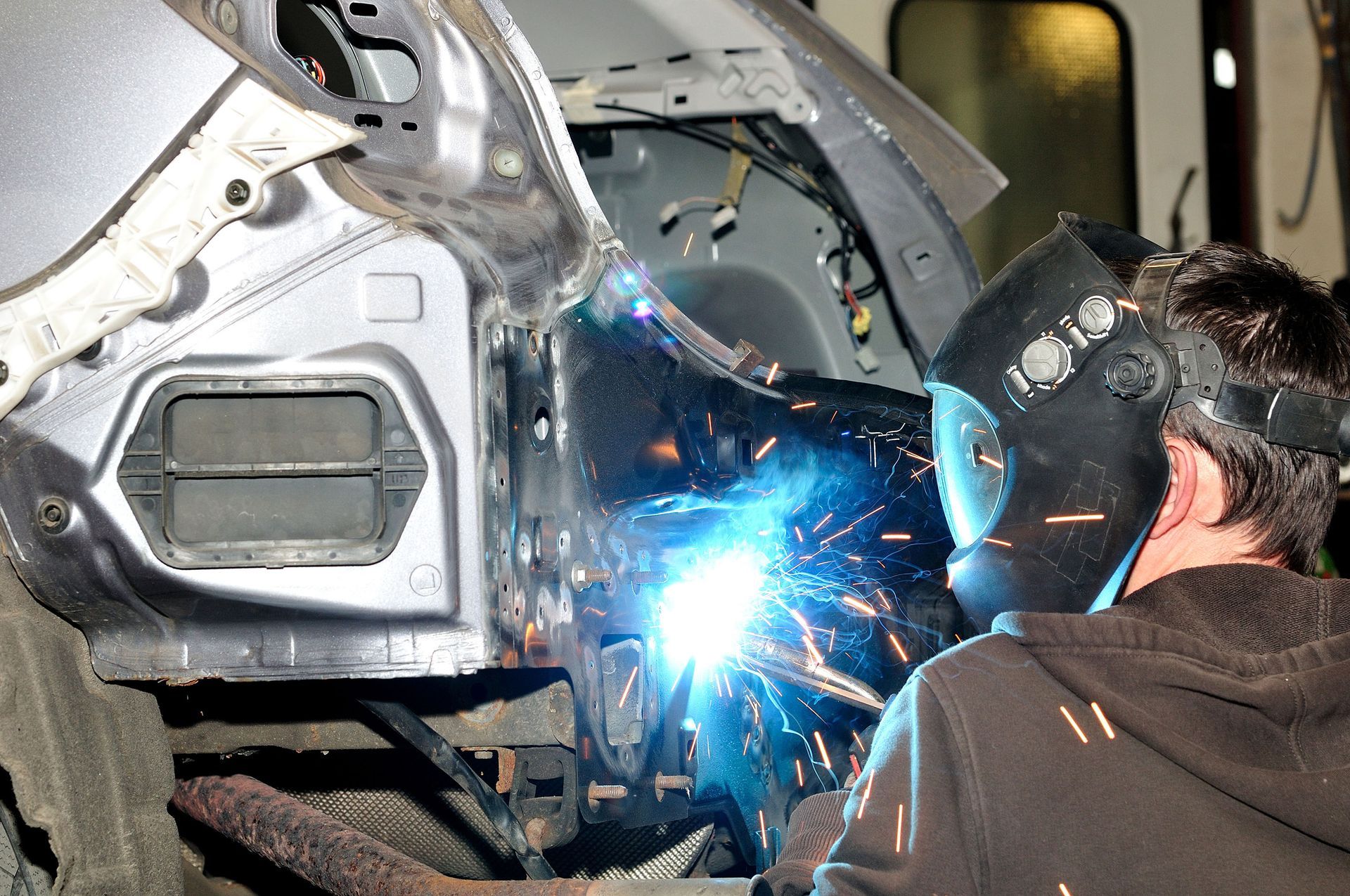
A properly rated welding helmet is one of the most important pieces of protective equipment. Auto-darkening helmets adjust their lens shade when an arc is struck, allowing welders to position their work more easily before welding begins. However, the helmet must provide suitable protection for the process and current level being used. Safety glasses should also be worn underneath the helmet to protect against flying particles during grinding, chipping, and other preparation tasks.
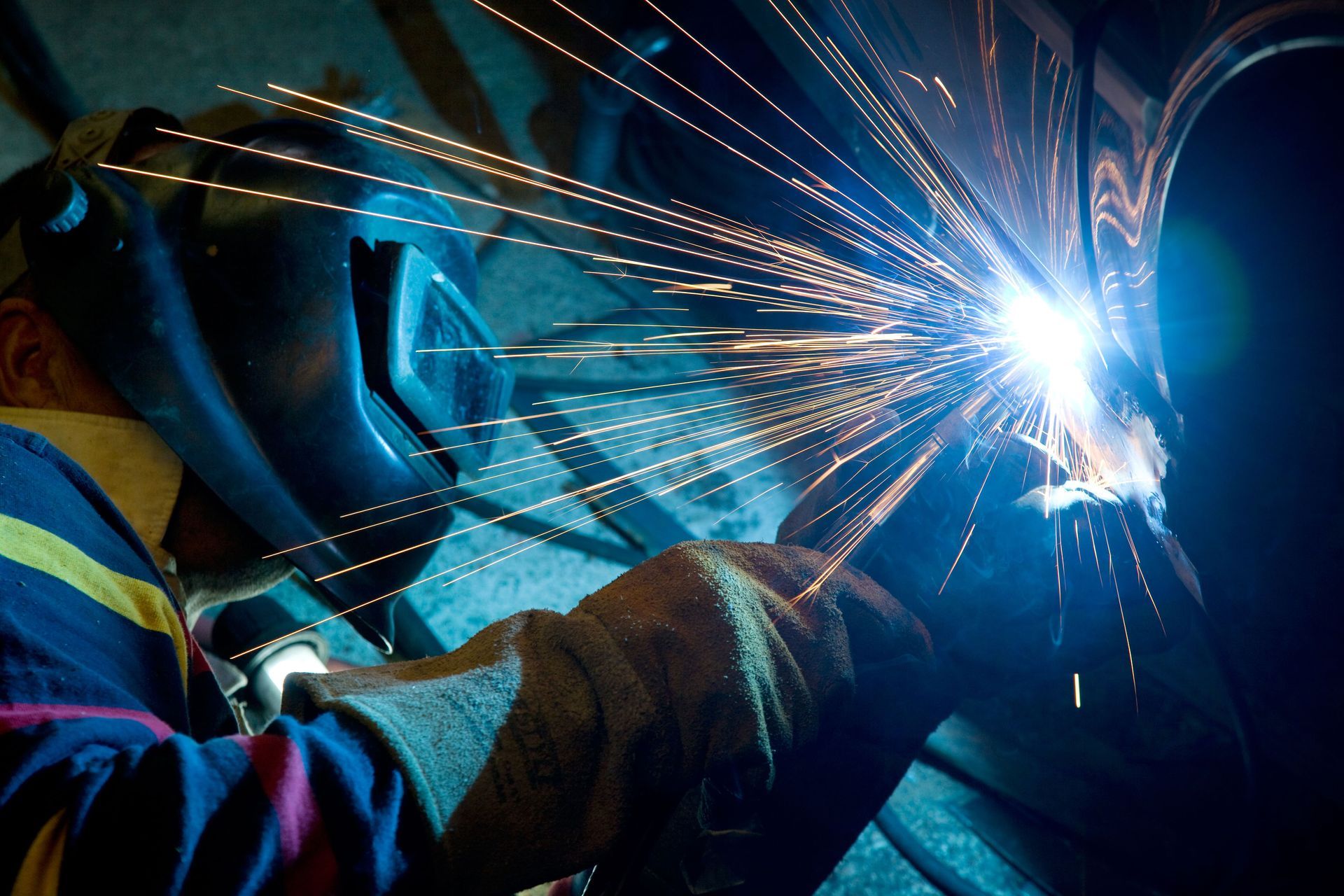
Welding gloves protect hands from heat, sparks, and sharp metal edges. Their material and thickness should suit the application, providing adequate protection without unnecessarily restricting movement. Flame-resistant clothing, long sleeves, and appropriate footwear help protect against burns and falling sparks. Respiratory protection may also be necessary when ventilation alone cannot adequately control exposure to welding fumes.
Other essential welding supplies include welding curtains, screens, fire-resistant blankets, and suitable fire extinguishers. These items help protect nearby workers and reduce the risk of sparks igniting combustible materials. Before starting a job, welders should inspect their work area, secure gas cylinders, check electrical connections, and ensure adequate ventilation.
How Do Proper Welding Supplies Impact the Quality of Welds?
The quality of a finished weld depends on several interconnected factors, including operator skill, surface preparation, machine settings, and the condition of the equipment. Using the correct materials and tools helps welders control these variables, producing joints that are more consistent and suitable for their intended purpose.
Consumables are particularly important. Filler metals and electrodes must be compatible with the base material and the required mechanical properties of the joint. Incorrect selections can contribute to cracking, poor fusion, or other defects. Similarly, contaminated welding wire, damp electrodes, or unsuitable shielding gas can interfere with arc stability and compromise the finished weld.
Proper preparation tools also make a difference. Grinders, wire brushes, and cleaning products help remove rust, paint, oil, and other contaminants that can interfere with welding. Clamps and fixtures keep components aligned, reducing movement during the process. When workpieces are positioned correctly from the beginning, welders can avoid unnecessary adjustments and reduce the likelihood of dimensional errors.
Where to Source High-Quality Welding Supplies?
Finding reliable suppliers is another important part of maintaining an efficient welding operation. Local welding supply stores can be valuable resources for professionals and hobbyists who need consumables, replacement components, or technical advice. Staff may help customers identify compatible products, select appropriate filler metals, and find accessories suited to a particular welding process.
Local suppliers can also reduce downtime by providing quick access to commonly used items. If a torch component fails in the middle of a project, obtaining a replacement nearby may be considerably faster than waiting for a shipment. Some suppliers offer equipment servicing, cylinder exchanges, or delivery options that help businesses maintain their schedules.
Online retailers provide another convenient way to compare
welding supplies. Their catalogs may include a broad range of machines, consumables, protective equipment, and specialty accessories. Product specifications, compatibility information, and customer reviews can help buyers evaluate available options.
The right welding supplies contribute to nearly every aspect of a successful welding operation, from initial preparation to final inspection. Appropriate machines and consumables help welders work efficiently, while reliable safety equipment reduces exposure to workplace hazards. Choosing compatible materials and maintaining tools in good condition can also improve weld consistency and limit costly rework. If you're looking for welding supplies, contact New Braunfels Welders Supply Inc today!