March 6, 2026
Choosing the right welding supplier can significantly impact the quality, efficiency, and cost-effectiveness of your welding operations. Welding operations are complex, and the equipment and consumables required are specific to the nature of projects undertaken. Before making a decision, it is crucial to ask the right questions to confirm that the supplier aligns with your operational needs and long-term goals. Suppliers must provide the right products while also supporting your business with reliable service and technical guidance. This article outlines the key questions to consider when selecting your welding supplier, helping you make an informed choice that supports both immediate needs and future growth.
Range of Products Offered
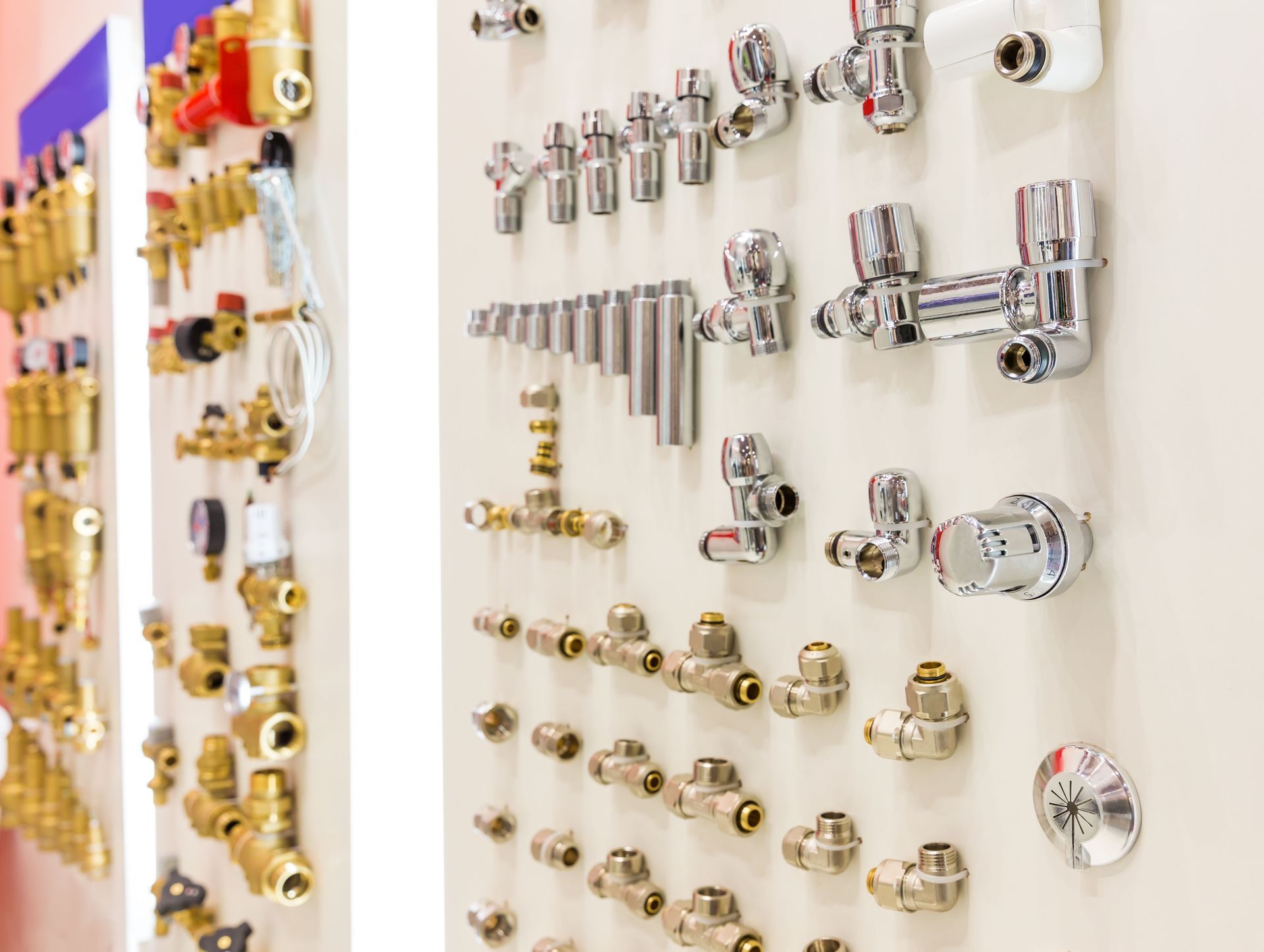
When evaluating a welding supplier, assessing the variety of products they offer is critical. Access to a comprehensive selection of welding equipment ensures that your operations can tackle any project, from routine welding tasks to highly specialized industrial applications. Equipment should range from standard welding machines to advanced technology designed for precise or high-volume work, giving your team the flexibility to perform efficiently and safely. Consumables like electrodes, wires, and shielding gases must also be readily available to avoid interruptions in production. In addition, suppliers offering industry-specific solutions—such as those tailored to automotive, aerospace, or construction applications—can provide a level of specialization that enhances performance and safety.
The quality and sourcing of products are another key consideration. Products from reputable manufacturers tend to be more durable and reliable, backed by technical support and research that verifies their performance. Asking a supplier about the origins and certifications of their products ensures they meet industry standards and align with your operational requirements. Suppliers who help with this transparency, you make decisions that protect your workflow and reduce the risk of equipment failure.
Another factor is a supplier's willingness to adopt technological advancements over time. Access to the latest equipment and innovations can improve efficiency, safety, and production quality. For example, as industries evolve and energy demand changes, having a supplier who can provide advanced solutions becomes increasingly important. According to the U.S. Energy Information Administration, U.S. demand for natural gas is expected to increase in 2025 by 3.2 Bcf/d and in 2026 by an additional 2.6 Bcf/d in our forecast. A supplier who can anticipate and adapt to such shifts ensures your business can respond effectively to market and energy trends.
Product Quality and Certifications
Product quality is a cornerstone of welding success. Confirming that a welding supplier provides products that meet recognized quality standards guarantees operational safety and reliability. International certifications demonstrate that equipment and consumables have undergone rigorous testing to meet both performance and safety benchmarks. Consistent product quality minimizes downtime caused by equipment failure and maintains the integrity of your welding output.
Certifications for authenticity further confirm a supplier's credibility. Verifying compliance with industry standards ensures that materials are genuine, reliable, and safe. Transparent suppliers provide documentation for each product, giving you confidence in your investments. Certified products not only reinforce operational reliability but also help satisfy customer expectations and regulatory compliance.
The supplier's quality assurance processes are equally important. Understanding how defective products are handled—through returns, replacements, or repairs—provides insight into the supplier's reliability and commitment to your operations. Warranties or guarantees offer additional protection, reflecting confidence in the products and reducing risk. Suppliers with strong quality management systems support operational efficiency, minimizing interruptions and maintaining consistent production standards.
Pricing and Payment Terms
Pricing is a fundamental consideration when selecting a welding supplier, as it directly affects project costs and overall profitability. Evaluating their pricing structure, including bulk order discounts and service plan costs, helps you manage your budget effectively. Comparing supplier prices with industry benchmarks ensures you are making cost-conscious decisions without compromising quality. Clarity on fees and potential extra costs avoids surprises that could impact financial planning.
Flexible payment terms are another factor to consider. Installment plans, credit terms, or project-based payment schedules can improve cash flow management, particularly for large-scale operations. Businesses adapting to changes in market demand, such as the anticipated rise in natural gas usage, benefit from suppliers who offer financial flexibility. Payment options that align with operational needs contribute to a partnership that supports business growth and adaptability.
Suppliers may also offer value-added services, such as maintenance packages or subscription-based consumable delivery. These services can reduce downtime, simplify procurement, and streamline workflow. Subscription programs for consumables, for instance, prevent shortages and keep operations running smoothly without constant reordering. A supplier that supports your financial and operational needs offers more than products—they become a contributor to operational efficiency.
Delivery and Support Services
Timely delivery is essential for uninterrupted welding operations. Understanding a supplier's typical delivery timelines provides insight into their efficiency and reliability. Suppliers who can manage urgent requests or provide expedited shipping demonstrate adaptability to critical project needs. A dependable supply chain is crucial for meeting deadlines and sustaining productivity.
Installation and setup support is another valuable service. For advanced or specialized machinery, proper installation ensures the equipment operates correctly and safely. Suppliers helping set up assistance, reduce errors, and allow your team to focus on productive work rather than troubleshooting. Effective installation support also shortens the learning curve for new equipment and increases operational efficiency.
Post-purchase support and training can further enhance your welding operations. Suppliers that offer guidance on troubleshooting, maintenance, and operational best practices empower your team to maximize equipment performance. Training programs ensure employees are equipped to handle complex machinery and adapt to new technologies. Understanding the depth of after-sales support helps you maintain smooth operations and reinforces a long-term partnership.
Customization and Scalability
Customization allows a welding supplier to align products and solutions with your specific operational needs. Tailored solutions optimize performance and address unique challenges, whether related to production volume, material type, or project complexity. For companies planning to expand or handle specialized applications, customizable equipment ensures efficiency and consistency across operations.
Scalability is equally important. As projects grow, the ability to increase product supply or upgrade to more advanced equipment keeps operations running seamlessly. Suppliers that can scale with your business reduce the risks associated with growth and allow for strategic planning. Scalability combined with customization positions your company for resilience and success in a competitive industry.
Consulting services provided by a welding supplier can enhance operational efficiency. Advising on process improvements, technology adoption, or workflow optimization helps businesses stay ahead of industry trends. Regular equipment upgrades, technical guidance, and recommendations for productivity improvements provide measurable benefits, reinforcing the supplier's role in your long-term operational strategy.
Selecting the right welding supplier requires careful evaluation of product range, quality, pricing, delivery, customization, and reputation. Each factor plays a crucial role in supporting efficient, safe, and cost-effective welding operations. Asking the right questions allows you to choose a supplier that not only meets current operational needs but also supports long-term growth and adaptability in a dynamic industry. By prioritizing these elements, your business can maintain high-quality production, reduce downtime, and respond effectively to market changes.
Partnering with a
welding supplier who aligns with your goals empowers your team and strengthens operational resilience. Take the time to explore your options, gather references, and confirm capabilities—this diligence ensures a partnership that contributes to sustained success. To get started, reach out to New Braunfels Welders Supply Inc today and discuss how they can support your welding needs with the right materials.